


Schedule Service
Your Nearest Store:
7980 S Broadway
Littleton, CO
303.515.7308
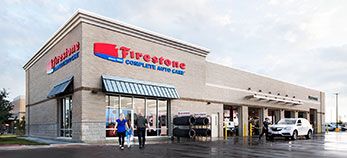
Most stores are open nights and weekends

| Day(s) | Hours |
|---|---|
| MON-SAT: | 7:00am-6:00pm |
| SUN: | 9:00am-5:00pm |
Engine Performance
OVER 500 MILLION VEHICLES SERVICED SINCE 1926.
CAUSES OF POOR ENGINE PERFORMANCE
When a vehicle's engine is well-maintained, the engine can run for much longer. How do you ensure maximum engine performance and engine efficiency? To optimize your engine performance, it's critical that you invest in regular maintenance and inspections, as well as know the early warning signs of a weakening engine, the causes of poor engine performance, and how to prevent future issues. Let Firestone Complete Auto Care assist you in maintaining engine performance and efficiency for the life of your vehicle.

PREVENT POOR ENGINE PERFORMANCE
- Don't drive on an empty tank.
- Don't unnecessarily rev your engine while the car is in neutral or park.
- Don't accelerate hard when the engine is still cold and has not reached normal operating temperatures.
SYMPTOMS OF A TROUBLED CAR ENGINE
If any of these symptoms have interrupted your driving experience, it might be time to get your car or truck engine repaired!
- Knocking noise — A knocking noise coming from under the hood, especially if the tempo of the knocking increases as your RPMs increase, can be a sign of mechanical failure.
- Metal shavings in oil — Spotted during an oil change, metal shavings indicate metal on metal contact occurring in the engine. Metal on metal engine parts will suffer rapid wear and tear and need attention immediately to ensure they don’t fail.
- Rough idle — Rough idling can indicate fuel delivery issues or broader issues that could weaken car engine performance if left unattended.
- Increased exhaust smoke— If the smoke from your tailpipe increases, it can indicate engine performance issues. Exhaust smoke can be preliminarily diagnosed by color: blue smoke can mean oil is burning, white exhaust with a sweet smell can be a sign of coolant in the combustion chamber, and black smoke is a sign that too much fuel is being used.
- Decreased performance — Typical signs of decreased vehicle performance may be lower fuel efficiency, difficulty getting up to speed, or increased engine warm up time. Decreased performance can often be addressed with an engine diagnostics.
- Check engine light — Often, your check engine light comes on when there are issues present. With newer vehicles, the check engine light can come on before concerns become bigger problems.
ENGINE EFFICIENCY
Follow these steps to improve engine performance and efficiency:
- Change the oil — Oil is the lifeblood of your car and integral to engine performance. Maintaining proper oil levels, cleanliness, and quality benefits your engine and can improve engine performance and efficiency. Additionally, the engine oil in many modern engines also works as a hydraulic fluid to keep tension on timing chains and to make the variable valve timing system work.
- Change the air filter — Just like oil changes, replacing air filters is routine maintenance best-practice.
- Replace the spark plugs — New spark plugs can bring back your vehicle’s performance and keep things running.
- Check the tires — Maintain recommended air pressure in your tires. To know your ideal PSI, consult your owner’s manual. Well-maintained tire pressure can benefit your vehicle performance, fuel economy, and vehicle safety.
- Have the vehicle aligned — Maintain proper vehicle alignment through regular maintenance appointments. Optimized alignment benefits tire life, ride stability, and help maintain fuel economy.
- Pay attention to vehicle gauges and dashboard warning lights — If a check engine light is on, don’t let your maintenance appointment wait. Make it a priority to get your car diagnosed by scheduling an appointment right away.
- Get regular brake checks — Regular brake checks and complete vehicle inspections can help you stay informed about your vehicle's needs.


